When your loved one faces arrest, you will undoubtedly worry about their prompt release from custody. Surety bonds, also called bail bonds, provide a way for your loved one to obtain freedom while waiting for trial. However, many people are concerned about the need for collateral. They often ask, "Is it always needed?"
The answer to this question is that it depends. In certain instances, you can secure a bail bond without providing collateral, and in some cases, collateral is a requirement. Continue reading this blog to gain more insight into situations that may or may not necessitate collateral and the available alternative options.
Bail Bond Collateral and How It Works
"Bail" refers to a monetary agreement a court imposes to ensure an accused person returns to court for scheduled proceedings after being released pretrial. If you cannot afford to pay the whole bail value to secure your loved one’s release, you can seek help from a professional bond agency to post bail for you. Generally, bail bond companies charge a nonrefundable premium (usually 10% of the total bail value) and may request collateral as security for the bail bond.
Collateral can be anything valuable that secures a bail bond. In essence, it serves as insurance for the bond agency in the event the accused person fails to attend the required court hearings. If the accused person fails to attend court hearings, the bond agency would be responsible for paying the entire bail amount. Consequently, the company may assume possession of the collateral and sell it to recover the bail bond amount.
Collateral is essential as it provides a tangible form of bond security. When a person offers collateral, they prove their dedication to fulfilling the bond contract. This dedication is crucial, as it assures the bond company that the accused will attend court proceedings and fulfill all legal obligations. That said, however, based on the facts of the specific case, the bail amount, and the cosigner’s trustworthiness, collateral may or may not be necessary.
Bond companies are meant to make it easier for family members to have their loved ones released from jail without having to post the entire bail amount out of their own pockets. Rather than paying the whole bail value, which may be tens or hundreds of thousands of dollars, you only pay a percentage of the bail amount.
When Collateral Is Necessary
Many individuals assume that bond companies always require collateral for a bond. However, that is not necessarily true. Bail bond agencies assess each case individually to establish whether or not they will need collateral. Here are scenarios where a bond company may require you to provide collateral:
- A high bail value. Significantly high bail values are highly likely to necessitate collateral. If your loved one’s bail is set, for example, at $250,000, the bondsman might ask you to provide collateral to minimize financial risk.
- Type of charges. The severity of the charges against your loved one may necessitate collateral. For example, severe or violent charges can attract highly valuable collateral.
- The accused person's criminal history. If your loved one has a substantial history of arrests, criminal charges, or convictions and may be imprisoned for their current crime, the bondsman may require collateral as additional security. The same is true if your loved one tends to miss court or jump bail.
- Risk of flight. If the accused person is considered a flight risk, the bondsman may require collateral. For example, if the accused person does not live in California, there is an increased risk that they will flee after release on bail, increasing the odds that the bond company will require collateral.
- Lack of a cosigner. A cosigner is a person who assumes financial responsibility for the accused. For example, if you post bail for your loved one, you can be their cosigner. If no one is willing to cosign a bond for your loved one, the bondsman may need them to provide collateral.
- Unstable living conditions or employment. If the accused person lacks a stable residence or job, the likelihood of jumping bail is greater. Thus, the bondsman will more likely require collateral.
When Collateral May Not Be Necessary
In California, it is possible to obtain a surety bond without providing collateral. Many reputable bond agencies offer no-collateral bonds. However, it is often contingent on various circumstances. Here are factors that may increase your odds of qualifying for a no-collateral bond.
- Stable job. If the accused has a stable job, especially one they've had for years, the bondsman may be confident that the premium will be paid and the bail amount will be recovered if the defendant jumps bail.
- Strong financial history. A bail bondsman can approve a surety bond without requesting collateral if the accused person has a stable source of income or solid credit history.
- The cosigner's financial stability. If the defendant has a financially stable and responsible cosigner, the bond agency may waive the requirement for collateral.
- The number of cosigners. If the accused has more cosigners willing to pledge that they (the accused) will attend court hearings, it can, at times, minimize the need for collateral. The cosigners share responsibility for the bond, ensuring the accused person attends all the court hearings.
- Severity of the criminal charges. For less serious charges like first-time violations or misdemeanors, where the amount of bail may be lower, you may successfully secure a bail bond with no collateral.
- The defendant's local ties. If your loved one has strong family or community ties, such as owning a home, having a family, or maintaining long-term employment, the bail bondsman may perceive them as a lower flight risk.
- Good court appearance record. If your loved one has a record of attending court hearings without problems, the bond company will more likely approve a bail bond without collateral.
- Stable residency and employment. A defendant’s long-term home and stable job demonstrate financial responsibility. This can increase the chances of securing a surety bond without paying for collateral.
- Providing more references. Some bond agencies accept character references for the defendant, for example, from community leaders or employers, as an alternative to collateral.
It is essential to recall that if a bondsman grants a bond without collateral, you will be legally responsible for paying the entire bond amount if your loved one does not show up in court or flee the jurisdiction while out on bail.
Type of Acceptable Collateral
A wide range of assets can be used as collateral as long as they are valuable enough. However, some bond companies have established their policies on acceptable collateral based on the form of surety bond a person seeks. Bond agencies might require that the collateral provided meet either the full bail value or exceed it by a given percentage. Common assets used as collateral include the following:
Real Estate
Real estate is the most prevalent type of collateral used to secure bail bonds. Accused persons or cosigners who have primary ownership of a house, land, or business premises may provide it as collateral for a bond.
For a property to be acceptable as collateral, it must have value (the bondsman will assess the value) and be in perfect condition. Also, it should not be on a mortgage. To put up real property as bail bond collateral, you will have to file a deed with the county courthouse. Doing so informs the court that the asset is currently under the bond company’s lien until your loved one's case is over and the bail amount is exonerated.
Valuables
Bond agencies can also take valuables like jewelry, watches, antiques, collectibles, and electronics as collateral. They might inquire with you regarding the item's actual value and will need a certificate of authenticity or proof that the item is yours, together with the item’s value. Unlike with vehicles or real estate, the bond agency may take possession of the valuables. Bail bond agencies have varying policies regarding the handling of valuables used as collateral, so please make sure you are familiar with them.
Vehicles
Any type of vehicle can qualify as collateral. This includes trucks, cars, snowmobiles, boats, RVs, and bikes. To provide a vehicle as collateral, you will need to demonstrate that you own it. You will keep possession of the vehicle, though the bond agency will hold onto its title. If the accused fails to make required court appearances, the bond company might sell the vehicle to recover the bond money they lost.
Irrevocable Letter of Credit (ILOC)
An irrevocable letter of credit is a letter a bank writes to the bond agency, stating that the bank guarantees the conditions as outlined by the bond company. You must have funds in your bank account. If the accused fails to make the required court appearances, the funds in your bank account will cover the losses the bondsman incurs.
Cash
Cash is not quite as prevalent as other kinds of collateral. However, it is the most straightforward type of collateral. Generally, cash is utilized if the bail value is lower. It is a relatively convenient form of collateral, and bail bondsmen find it easy to work with it. That is particularly because no transfer of ownership is required.
Credit Cards
If you opt to use your credit card as collateral, you must ensure its limit is more than the imposed bail value. Additionally, you will be required to provide the authorization code so the bondsman can recover the forfeited bond amount if the accused fails to make the required court appearances or violates other bail conditions.
Bonds and Stock
Bonds and stocks may also be used as collateral. The investments’ value must exceed the surety bond amount. The bond agency will possess your bonds and stocks until the end of the defendant’s case.
All of the above assets are good collateral options. However, each option has its benefits and drawbacks. Carefully consider the pros and cons involved before putting up collateral to secure your loved one's bond. For example, putting your house up as collateral for a bond places it at high risk. The bondsman may seize your home if the defendant doesn't show up for court and forfeits the bond amount.
Before taking collateral, bond companies appraise the provided asset to establish its market value. Mostly, bondsmen accept properties whose value exceeds the imposed bail value. Therefore, losing your property after forfeiting the bail amount can have a significant impact. So, when considering what to post as collateral, also evaluate the risk of losing it if bail is forfeited. Ensure your loved one appears in court to minimize that risk. Should something happen that prevents them from attending court, ensure they inform the court promptly. The judge can then reschedule their hearing for later.
If the accused person makes all required court appearances, the court will exonerate the bond at the end of the case, freeing anyone responsible for the full bail value, including the accused person, the cosigner, and the bondsman. The bail bond agency will then return the collateral to you or the person who pledged the asset.
If you used real estate for collateral, the bondsman will initiate the process to lift any liens placed on the home. Any small, valuable collateral that does not necessitate much paperwork may be released right away. You want to communicate with the bondsman as soon as the case has concluded to receive your valued possession as early as possible.
Other Options Where Collateral is Unavailable
Lacking valuable property does not necessarily mean you will be disqualified from obtaining a bail bond in California. If you face a situation in which the bondsman requires collateral but you do not have any valuable items to provide, do not panic. You can still secure a bond through other valuable options, including:
Seeking an Own Recognizance (O.R.) Release
If your loved one is eligible for an O.R. release, they might not have to post bail at all. An O.R. release involves the defendant only signing a written promise to appear in court whenever required once they have been released before trial. It is available for less serious crimes such as misdemeanors and non-violent crimes.
Finding a Stronger Cosigner
A trusted family member or friend with stable income and good credit may agree to consign the bail bond on your behalf. However, ensure the cosigner is willing and can cover the bondsman's losses if the court forfeits the bond amount. That is the only way the bondsman will offer a bond without collateral. The cosigner must prove they have enough financial resources to cover the defendant’s bail if the defendant misses court. Then you will not have to worry about what to put up as collateral.
Using a Bail Bond Payment Plan
Many bond services offer flexible payment plans to help make posting bail more affordable without requiring collateral. Payment plans provide a substitute for providing upfront collateral. You can pay the bond fee over a specified period if you qualify for a plan. They make it easier for people to secure bonds without having to put up immediate collateral. However, the overall bail bond cost might increase due to additional fees or interest related to payment plans.
Using Financing Options
Many bond companies offer clients financing options, enabling them to borrow the bail money required and repay it over time. These options can provide swift access to the necessary bail value. However, defaulting on a financing arrangement may have legal and financial consequences.
Other options that may help are:
- Requesting a bail reduction. Based on the facts of the defendant’s case, their lawyer can request the court to reduce their bail amount, increasing the chances of securing a bond with no collateral.
- Seeking help from bail assistance programs. Some organizations offer financial assistance with bail in certain cases.
- Offering partial collateral. Some bond agencies may agree to partial collateral combined with a payment plan for bond security.
Find a Professional Bail Bonds Service Near Me
It is essential to emphasize the central role of collateral in California's bail bond process. For one, it assures the bail bond company and justice system that accused persons will fulfill their obligations. However, collateral is not always a requirement. If you need to secure a bail bond for your loved one and you cannot afford collateral, you want to share your situation with your bondsman to see how they can help you.
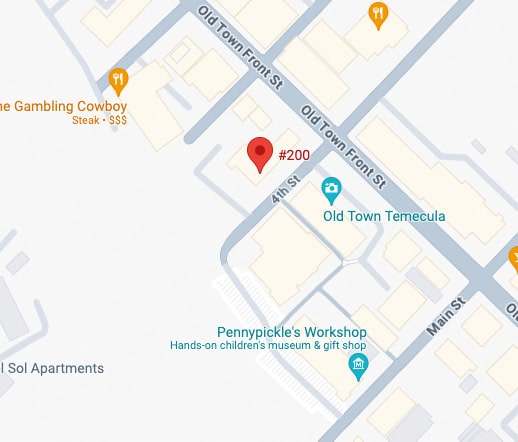
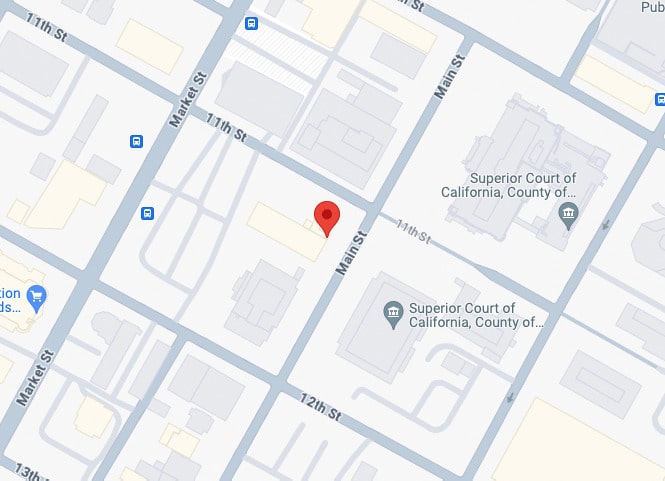
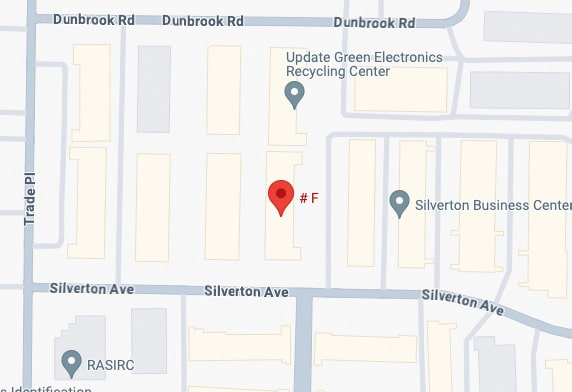
At Justice Bail Bonds, we know that not everybody has valuable collateral to put up. That is why we work to offer flexible bond solutions, including no-collateral bonds for eligible clients. We are committed to helping our clients navigate the bail process more easily and more affordably. If you are in Temecula and wish to help your loved one secure their release from jail before trial, we can help you, whether you need a flexible payment plan, a no-collateral bond, or have collateral you can use to secure the bond. Contact us at 714-541-1155, and let us guide you through the process with care and professionalism.